

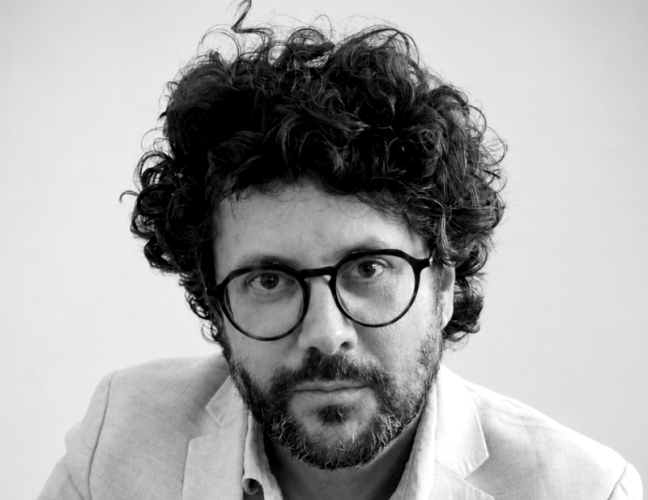

BETONUN RUHU, BEDENİN HARABESİ: DYLAN TRIGG
(İngilizce çevirisi altta yer almaktadır. The English translation is provided below.)
Şehirler yalnızca yaşam alanları değildir; onlar travmayı emen ve insanı sessizce çürüten organizmalardır. Dar sokaklarda, terk edilmiş binalarda ve kasvetli köşelerde gezinirken, kendi psikolojik çöküşümüzün haritasını çıkarırız. Filozof Dylan Trigg, bizi bu harabelerin ve kendi etimizin tekinsiz doğasıyla yüzleşmeye davet ediyor. Onun felsefesinde nostalji romantik bir sığınak değil, geçmişin yakamızı bırakmayı reddettiği klostrofobik bir musallatbilimdir (hauntology). İnsan bedeni ise bu sırada, mutlak dehşeti deneyimleyen kırılgan bir et yığınına dönüşür.
Dylan Trigg Kimdir?
Viyana Üniversitesi ve Orta Avrupa Üniversitesi’nde (CEU) kıdemli araştırmacı olan Trigg; mekân, bellek, beden ve korku üzerine özgün fenomenolojik çalışmalar yürütmektedir.
…
Modern metropollerin anatomisine baktığımızda, kusursuz bir mekanizma gibi işleyen “çürüyen yapılar” göze çarpıyor. Şehrin bu fiziksel ve estetik çöküşü ruhumuzun çöküşünü mü yaratıyor, yoksa sadece içimizdeki organik çürümeyi mi yansıtıyor?
Bu, soruyu ifade etmenin ilginç bir yolu. Çürümeye ahlaki bir statü atfetme konusunda dikkatli olmamız gerektiğini düşünüyorum; çürüme, bizim insani konumumuzdan veya yargımızdan oldukça bağımsız bir şekilde gerçekleşir. Elbette çürüme fikri aynı zamanda sosyal, politik ve ekonomik değerlerle de yüklüdür; hafifletilebilir ya da çürümeye ve yayılmaya terk edilebilir. Dolayısıyla, çürümeyle ilgilenmek, onu damgalamaktan kaçınmak ama aynı zamanda romantikleştirmekten de uzak durmak gibi bir sorumluluk vardır. Sorunuza gelirsek: Şehrin çürümesi ruhun çürümesine yol açar mı? Buna evet demekten çekinirim; bazı insanlar çürüme ile karşılaşmaktan canlanır ve dirilik kazanır, bazıları ise dehşete düşer. Bunun kendi organik çürümemizle nasıl örtüştüğü sorusunun, üzerine eğilinmesi gereken yön olduğunu düşünüyorum. Yine de, çürümeye nasıl tepki verdiğimiz, sonlu varlıklar olarak kendi yapımız tarafından şekillenir; dışsal bir formda kendi doğamızla yüzleştiğimizde hem onunla ilişki kurar hem de ondan itiliriz.
Kültür endüstrisi genellikle nostaljiyi güvenli bir sığınak olarak pazarlar. Zamanın donması —terk edilmiş bir mekânda veya cızırtılı bir manyetik bantta hapsolması— nostaljiyi nasıl hayaletbilimsel (hauntolojik) ve klostrofobik bir kabusa dönüştürür?
Nostalji klostrofobik bir kâbus mudur? Pek çok insan ve kültür, zamanın görünürdeki bu donmasını bir bakıma özgürleştirici buluyor gibi görünüyor, çünkü bu onlara şimdiki zamandan bir tür kaçış sunuyor. Onlar için asıl klostrofobik kâbus olan şimdiki zamandır. Yine de nostaljinin bir patolojiye dönüşebileceği açıktır; ilerlemeyi engelleyen, bireyleri ve grupları kapalı bir duygusal küre içine hapseden ve o balonun ötesinde yatanlara düşmanlık besleyen bir süreklilik olarak kendini gösterebilir. Peki nasıl ilerlemeli? Patolojik formlarında nostalji yalıtılmışlıktan beslenir; dolayısıyla nostaljik olanların açıklıktan ve ötekiliğe alıcılıktan öğrenebileceği dersler vardır. Ancak nostaljiyi kesinlikle normatif veya etik terimlerle çerçeveleme konusunda dikkatli olmalıyız; bu kavram, bir kâbus veya cennet kategorisine atfedilemeyecek kadar muğlak ve zengindir.
Bitpazarlarına düşen ölü nesneler ve anonim günlükler, sahiplerinin geçmişlerini hayaletler gibi taşırlar. The Memory of Place (Mekânın Hafızası) bağlamında düşünürsek, nesnelerin bu “ikinci yaşamı” bizi kendi anılarımızın değil de başkalarının donmuş zamanının mahkûmları yapmaz mı?
Sanırım bu, başkalarının yaşamlarına ne ölçüde açık kaldığımızla ilgili. Çoğu zaman, başka insanlara, özellikle de ölmüş olanlara ait nesnelerle karşılaşmak bir ilham veya başka bir zamana açılan bir kapı işlevi görebilir. Zaman donmuştur çünkü miadını doldurmuş bir hayata aittir, ancak öte yandan aynı nesneler şimdiki zamanda yer alır ve yaşayan bir hayatın alanına dahildirler. Dolayısıyla, eşzamanlı olarak en az iki dünyaya ait olurlar.
Şehrin geniş bulvarları veya pazar yerleri, bireyi sürekli gözlemleyen devasa bir panoptikon hissi yaratabilir. Agorafobik bir özne için, mekânın dışsallığı ve ötekilerin fiziksel mevcudiyeti bedeni nasıl kendi içine kapanmaya zorlar?
Sorunuz agorafobinin kritik noktasına işaret ediyor; bu sadece mekânla ilgili bir kaygı değil, daha da önemlisi insanlara yakınlıkla ilgilidir. Mekanlar, insanların o mekânı işgal ettiği koşulları üretir; bu amaçla, başkalarıyla ilişkimizi şekillendiren ve belirleyen atmosferleri “sahnelerler”. Uçsuz bucaksız bir avluya veya şehir meydanına karşı kaygı duyan agorafobik bir kişi, mekânda “kaybolma” hissiyle olduğu kadar, bu kaybolmuşluk halindeyken gözlemlenmek ve izlenmekle de ilgilidir. Aynı şekilde, bir yerden başka bir yere gitmek zordur çünkü geçiş mekânında yaşanan kaygı kamusal bir eylemdir. Bu bağlamda, nostalji ve agorafobi arasında yakın bir ilişki vardır; her iki duygu durumu da eve yakınlıkla ilgilidir ve her ikisi de, nasıl bir dünyada (ve nasıl bir zamanda) yaşadığımıza dair kendimize anlattığımız anlatıyı diğer insanların nasıl pekiştirebileceğine ama aynı zamanda nasıl sorgulayabileceğine odaklanmıştır.
İnsan bedeni, biyolojik sınırların içine hapsedilmiş ve sürekli entropiye doğru ilerleyen kırılgan bir formdur. Dehşet (horror) hissi dışarıdan gelen bir tehditten mi doğar, yoksa et ve kemikten oluşan bu formun kaçınılmaz biyolojik yıkımının idrak edilmesinden mi kaynaklanır?
Bana göre, “bedensel dehşet” (body horror) olarak adlandırılan şeyin temeli, bedenin kendine ait bir failliği (agency) olduğu hissine dayanmaktadır. Fenomenolojide ve gündelik deneyimde bedeni genellikle “kendimize ait” olarak deneyimleriz. Elbette, hasta olduğumuzda veya yaşlandığımızı hissettiğimizde olduğu gibi, bu bedensel aidiyet hissinin ihanete uğradığı zamanlar vardır. Ancak duygulanımsal durumlar, özellikle de kaygı (anxiety), bedensel bir yabancılaşma hissini de ifade edebilir. Bu tür durumlarda “ben”in nerede bittiği ve bedenimin nerede başladığı arasındaki sınır çizgisi bulanıklaşır ve bedenimizi bir “şey” olarak deneyimleyebiliriz. Yani dehşet hem içeriden hem de dışarıdan gelir; için ve dışın kısmen çözündüğü bir eşikte yer alır.
Terk edilmiş bir hastanenin koridorlarındaki o yoğun sessizlik ya da eski bir radyodan gelen anlamsız cızırtı, mekânın akustik mimarisini oluşturur. Atmospheres and Shared Emotions (Atmosferler ve Paylaşılan Duygular) adlı çalışmanızın ışığında, sessizlik veya statik gürültü, nasıl en somut tehlikelerden daha sarsıcı bir kaygı üretir?
Sessizlik hem bir mola biçimi olabilir hem de şiddet yüklü bir güç. Kaygı genellikle belirsizlik tarafından şekillenme eğilimindedir, dolayısıyla burada henüz kendini tanımlamamış bir sessizlikle yakın bir ilişki vardır.
Yıkılmış yapıların ve işlevsiz nesnelerin sessizliğinde çarpıcı, neredeyse klinik bir geometri vardır. The Aesthetics of Decay (Çürümenin Estetiği) bağlamında, maddenin çöküşü karşısındaki bu “insan-dışı” bakış, var olmayan şeylerin bir kürasyonu mudur, yoksa estetikleştirilmiş bir nihilizm mi?
Dylan bu noktada nezaketle sözü bana bırakmış diyerek, sohbetin akışına kapılıp bu finali kendi penceremden yanıtlamak isterim. Bana kalırsa, maddenin çöküşü karşısındaki bu büyülenme hali ne salt bir kürasyon ne de pasif bir nihilizm. Yıkılmış yapıların o klinik geometrisinde bulduğumuz şey, aslında kendi sonluluğumuza dair tuttuğumuz estetik bir yas. O harabelere, o insan-dışı sessizliğe bakarken, aslında etimizin de bir gün o hiçliğe karışacağı gerçeğini sanatsal bir kalkanla savuşturmaya, katlanılabilir kılmaya çalışıyoruz.
Genel hatlarıyla bu söyleşi; yalnızca etrafımızı saran betonun değil, kendi bedenimizin, nostaljimizin ve zihnimizin de nasıl karanlık bir “tekinsizlik” barındırdığını bir kez daha yüzümüze çarpıyor. Çürümenin, agorafobinin ve mekânsal dehşetin günlük hayatımızdaki o sessiz ama ağır tahakkümünü kavramak, şüphesiz varoluşumuzla yüzleşmenin en sarsıcı yollarından biri.
Bu derinlikli cevaplarıyla zihnimizi kışkırtan, zamanın ve mekânın ötesinden sorularıma ses veren Dylan James Trigg’e sonsuz teşekkürlerimle…
Not: Bu röportajdaki kavramsal çerçeve ve sorular Dylan Trigg’in şu eserlerinden ilham alınarak kurgulanmıştır: Topophobia, The Aesthetics of Decay, The Memory of Place, The Thing: A Phenomenology of Horror, ve Atmospheres and Shared Emotions.
The Soul of Concrete, the Ruin of the Body: Dylan Trigg
Cities are not merely spaces for living; they are organisms that absorb trauma and quietly corrode the human being. As we wander through narrow streets, abandoned buildings, and gloomy corners, we trace the map of our own psychological collapse. The philosopher Dylan Trigg invites us to confront the uncanny nature of these ruins — and of our own flesh. In his philosophy, nostalgia is not a romantic refuge but a claustrophobic hauntology, one in which the past refuses to let go of us. The human body, meanwhile, becomes a fragile mass of flesh experiencing absolute dread.
Who is Dylan Trigg?
A senior researcher at the University of Vienna and the Central European University (CEU), Trigg conducts original phenomenological work on space, memory, the body, and fear.
…
When we look at the anatomy of modern metropolises, we notice “decaying structures” standing out like a mechanism functioning with strange perfection. Does this physical and aesthetic collapse of the city create the collapse of our soul, or does it merely reflect the organic decay within us?
That’s an interesting way of putting the question. I think we need to be careful about attributing a moral status to decay; decay occurs quite independently of our human position or judgment. Of course, the idea of decay is also loaded with social, political, and economic values — it can be mitigated, or left to rot and spread. So engaging with decay carries a responsibility: to avoid stigmatizing it, but also to avoid romanticizing it. As for your question — does the decay of the city lead to the decay of the soul? I’d hesitate to say yes; some people feel enlivened and revitalized by encountering decay, while others are horrified. I think the real question worth dwelling on is how this correlates with our own organic decay. Still, how we respond to decay is shaped by our own structure as finite beings; when we confront our own nature in an external form, we both relate to it and are repelled by it.
The culture industry often markets nostalgia as a safe haven. How does the freezing of time — trapped in an abandoned place or on a crackling magnetic tape — turn nostalgia into a hauntological and claustrophobic nightmare?
Is nostalgia a claustrophobic nightmare? For many people and cultures, this apparent freezing of time seems, in a way, liberating, because it offers them a kind of escape from the present. For them, it is the present that is the true claustrophobic nightmare. Still, it’s clear that nostalgia can turn into a pathology — it can manifest as a continuity that blocks progress, traps individuals and groups inside a closed emotional sphere, and breeds hostility toward whatever lies beyond that bubble. So how should one move forward? In its pathological forms, nostalgia feeds on isolation; there are lessons the nostalgic can learn from openness
and receptivity to otherness. But we must be careful never to frame nostalgia strictly in normative or ethical terms — it’s too ambiguous and too rich a concept to be assigned to either the category of nightmare or paradise.
Dead objects and anonymous diaries that end up in flea markets carry the pasts of their owners like ghosts. Thinking in the context of The Memory of Place, doesn’t this “second life” of objects make us prisoners not of our own memories, but of someone else’s frozen time?
I think it comes down to how open we remain to other people’s lives. Often, encountering objects that belonged to other people — especially the dead — can function as a source of inspiration, or as a doorway into another time. Time is frozen because the object belongs to a life that has run its course, yet at the same time that same object exists in the present and belongs to the realm of a living life. So it simultaneously belongs to at least two worlds.
The city’s broad boulevards or marketplaces can create the sense of a vast panopticon constantly observing the individual. For an agoraphobic subject, how does the externality of space and the physical presence of others force the body to close in on itself?
Your question touches on the critical point of agoraphobia — it’s not simply an anxiety about space, but, more importantly, one about proximity to people. Spaces produce the conditions under which people occupy them; toward this end, they “stage” the atmospheres that shape and determine our relationships with others. A person who feels anxious in a vast courtyard or city square isn’t only dealing with a sense of “getting lost” in the space — that sense of being lost is bound up with being observed and watched while it happens. Likewise, moving from one place to another is difficult, because the anxiety experienced in transitional space is a public act. In this sense, there is a close relationship between nostalgia and agoraphobia; both emotional states concern closeness to home, and both are focused on how other people can either reinforce or challenge the narrative we tell ourselves about what kind of world — and what kind of time — we live in.
The human body is a fragile form, enclosed within biological limits and constantly moving toward entropy. Does the feeling of horror arise from an external threat, or does it stem from the realization of the inevitable biological destruction of this form made of flesh and bone?
For me, what’s called “body horror” is grounded in the sense that the body possesses its own agency. In phenomenology, and in everyday experience, we generally experience the body as “belonging to us.” Of course, there are times when this sense of bodily belonging is betrayed — as when we’re ill, or when we feel ourselves aging. But affective states, anxiety in particular, can also express a sense of bodily estrangement. In such states, the line between where the “self” ends and where the body begins grows blurred, and we can come to experience our own body as a “thing.” So horror comes from both inside and outside at once; it sits at a threshold where the inner and the outer partly dissolve into one another.
The dense silence in the corridors of an abandoned hospital, or the meaningless static crackling from an old radio, forms the acoustic architecture of space. In light of your work on Atmospheres and Shared Emotions, how does silence or static noise produce an anxiety more unsettling than even the most concrete dangers?
Silence can be both a form of respite and a violent force. Anxiety tends to be shaped by uncertainty, so there’s a close relationship here with a silence that has not yet defined itself.
In the silence of collapsed structures and dysfunctional objects there is a striking, almost clinical geometry. In the context of The Aesthetics of Decay, is this “inhuman” gaze upon the collapse of matter a curation of things that no longer exist, or an aestheticized nihilism?
Since Dylan has graciously left this final question to me, I want to let myself be carried by the flow of our conversation and answer it from my own vantage point. As I see it, this fascination we feel before the collapse of matter is neither pure curation nor passive nihilism. What we find in the clinical geometry of collapsed structures is, in fact, an aesthetic mourning for our own finitude. As we gaze at those ruins, at that inhuman silence, we are, in truth, trying to fend off — and to make bearable — the knowledge that our own flesh, too, will one day dissolve into that nothingness, shielding ourselves with an artistic armor.
Broadly speaking, this conversation confronts us once again with the truth that it isn’t only the concrete around us that conceals a dark “uncanniness” — our own bodies, our nostalgia, and our minds do too. To grasp the quiet but heavy dominion that decay, agoraphobia, and spatial dread hold over our daily lives is, without doubt, one of the most unsettling ways of confronting our own existence.
With endless gratitude to Dylan James Trigg, whose profound answers provoked our minds and gave voice to my questions from beyond time and space…
Note: The conceptual framework and questions in this interview were constructed drawing on the following works by Dylan Trigg: Topophobia, The Aesthetics of Decay, The Memory of Place, The Thing: A Phenomenology of Horror, and Atmospheres and Shared Emotions.
Daha fazla Panzehir kitap söyleşiye buradan ulaşabilirsiniz.
Sayfanın altındaki sosyal medya butonlarını kullanarak yazıyı sevdiklerinizle paylaşabilir, yorumlarınızla bize ulaşabilirsiniz.
İlgili Yazılar
ULUCANLAR GECESİ VE KALDIRIMDAKİ ANNE / Furkan Kılıç

ULUCANLAR GECESİ VE KALDIRIMDAKİ ANNE / Furkan Kılıç
Bir Sokağın Anatomisi
Ulucanlar gecesi, kendi kalbini yiyen devasa bir ejderha...
BETON, ENTROPİ VE KURUMSAL ÇÖKÜŞ: FRANCESCO PECORARO İLE BARIŞ ZAMANINDA HAYAT’IN MİMARİ BİR OTOPSİSİ / Furkan Kılıç
BETON, ENTROPİ VE KURUMSAL ÇÖKÜŞ: FRANCESCO PECORARO İLE BARIŞ ZAMANINDA HAYAT’IN MİMARİ BİR OTOPSİSİ / Furkan Kılıç
Bazen edebiyat kelimelerle değil...
‘KARNAVALIN ARDINDA’ RESSAM ALPAY AKSAYAR’A 11 SORU / Furkan Kılıç
‘KARNAVALIN ARDINDA’ RESSAM ALPAY AKSAYAR’A 11 SORU / Furkan Kılıç
Prolog: Yıkıntıların Arasındaki Karnaval
Alpay Aksayar 1986 İstanbul doğumlu ressam.
AS WE BREATHE VE CEVAHİR ŞAHİN SİNEMATOGRAFİSİ / Furkan Kılıç
AS WE BREATHE VE CEVAHİR ŞAHİN SİNEMATOGRAFİSİ / Furkan Kılıç
Bir Görsel Dilin Anatomisi Şeyhmus Altun’un yazıp yönettiği 2025 yapımı As We Breathe filmi.